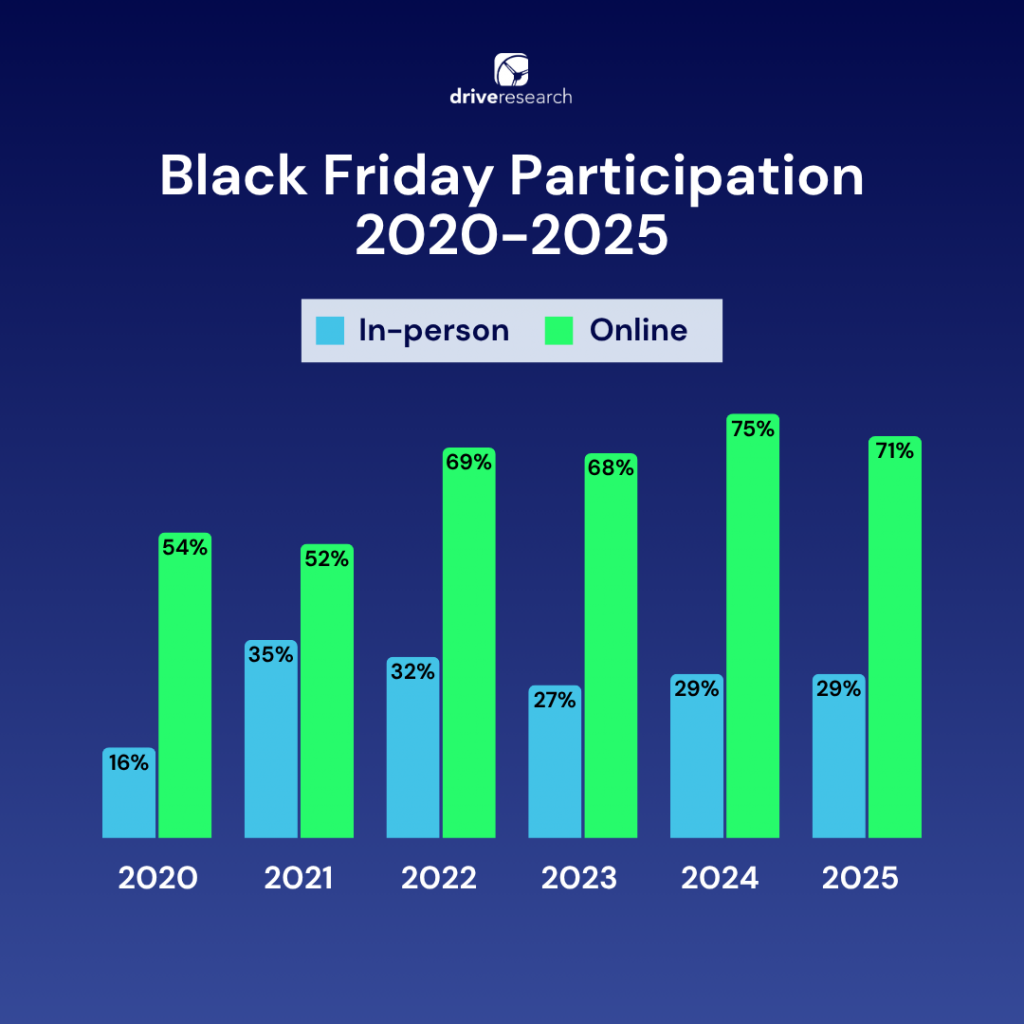
The day after Thanksgiving has arrived, and American shoppers are flooding malls and websites in what could become a historic shopping weekend. With holiday spending potentially topping $1 trillion for the first time ever, Black Friday 2025 is shaping up to be a make-or-break moment for retailers navigating a complex economic landscape marked by tariff pressures, consumer caution, and shifting shopping habits.
The New Black Friday Reality
Gone are the days of midnight door-busters and brawls over discounted TVs. Today's Black Friday looks radically different from the chaotic shopping spectacles of years past.
Online shopping and early-season discounts have fundamentally transformed how Americans approach holiday shopping, with retailers launching promotions weeks before Thanksgiving rather than waiting for a single day of chaos.
Yet despite this evolution, Black Friday remains the unofficial kickoff to the holiday shopping season. A record
187 million people are expected to shop during this Thanksgiving weekend, with the average shopper planning to spend around
$890 on gifts, decorations, and food. The Mall of America in Minnesota is already seeing foot traffic that surpasses pre-pandemic 2019 levels, signaling strong momentum heading into the crucial shopping period.
The Tariff Hangover: Why Deals Matter More Than Ever
This year's Black Friday carries extra weight for retailers who spent months preparing for President Trump's tariffs on imported goods. Many companies accelerated shipments or absorbed import costs to avoid raising prices on customers—a strategy that left them with significant inventory they need to move.
The impact has been particularly severe in certain categories. According to market research firm Circana,
40% of all general merchandise saw price increases of at least 5% compared to earlier in the year. Toys were hit hardest, with
83% of toys experiencing at least a 5% price increase, largely because nearly
80% of toys sold in the U.S. are manufactured in China.
This inventory pressure means retailers are highly motivated to offer aggressive discounts this weekend. As one analyst noted, retailers don't want to get stuck with excess inventory in January, which would devastate their bottom line.
Where to Find the Best Deals
Timing matters when hunting for Black Friday bargains. Different product categories are hitting their deepest discounts on different days:
Black Friday (Today) is the optimal time to purchase TVs, toys, and appliances—essentially anything with a plug. Store-wide deals on apparel and beauty products are expected to expand on Cyber Monday, when apparel discounts are projected to reach
25% off compared to the
12.2% discounts seen earlier in November.
Thanksgiving Day actually offered the deepest discounts on sporting goods for online shoppers, while Cyber Monday will be the best time to buy apparel and computers.
Consumer Confidence: The Wild Card
Despite strong spending momentum, there's an undercurrent of anxiety running through the economy. Consumer confidence fell this month following the federal government shutdown, weak hiring, and persistent inflation. Shoppers are describing the economy as "terrible" while simultaneously continuing to spend—a paradox that has defined consumer behavior for years.
Retailers are seeing a "tale of two shoppers": high-income earners are doing the heavy lifting with spending, while middle and lower-income consumers are becoming increasingly price-sensitive and selective about purchases. This bifurcation means deals are essential to luring shoppers through the door.
Mastercard's Chief Economist Michelle Meyer captured the mood perfectly: "Clearly, there's uncertainty. Clearly, consumers feel on edge. But at the moment, it doesn't seem like it's changing how they are showing up for this season."
Online Sales Surge Continues
The shift to digital shopping continues to accelerate. From November 1 to November 23, consumers spent
$79.7 billion online—a
7.5% increase from the same period last year and exceeding Adobe's
5.3% growth forecast. This robust online momentum suggests that even as foot traffic increases in physical stores, the real action is happening on websites and apps.
Mastercard SpendingPulse predicts a
3.6% increase in overall holiday sales from November 1 through December 24, compared to a
4.1% increase last year—still solid growth despite economic headwinds.
What's Next
The coming weeks will reveal whether consumer spending holds up or whether economic anxiety finally translates into pullback. If shoppers don't spend as predicted and inventory lingers into January, expect even more aggressive discounting in 2026 and a further shift toward online shopping at the expense of brick-and-mortar retail.
For now, retailers are banking on the fact that Americans will continue their years-long pattern of spending despite economic concerns. Whether that bet pays off will determine the health of the retail sector heading into 2026.
1.
US Retailers See Black Friday Benefits from Holiday Halo Effect2.
CBS Mornings: Black Friday Kicks Off Holiday Shopping Season**
Sources
1. US retailers are about to see if Black Friday benefits from a holiday ...
2. Black Friday kicks off holiday shopping season - YouTube