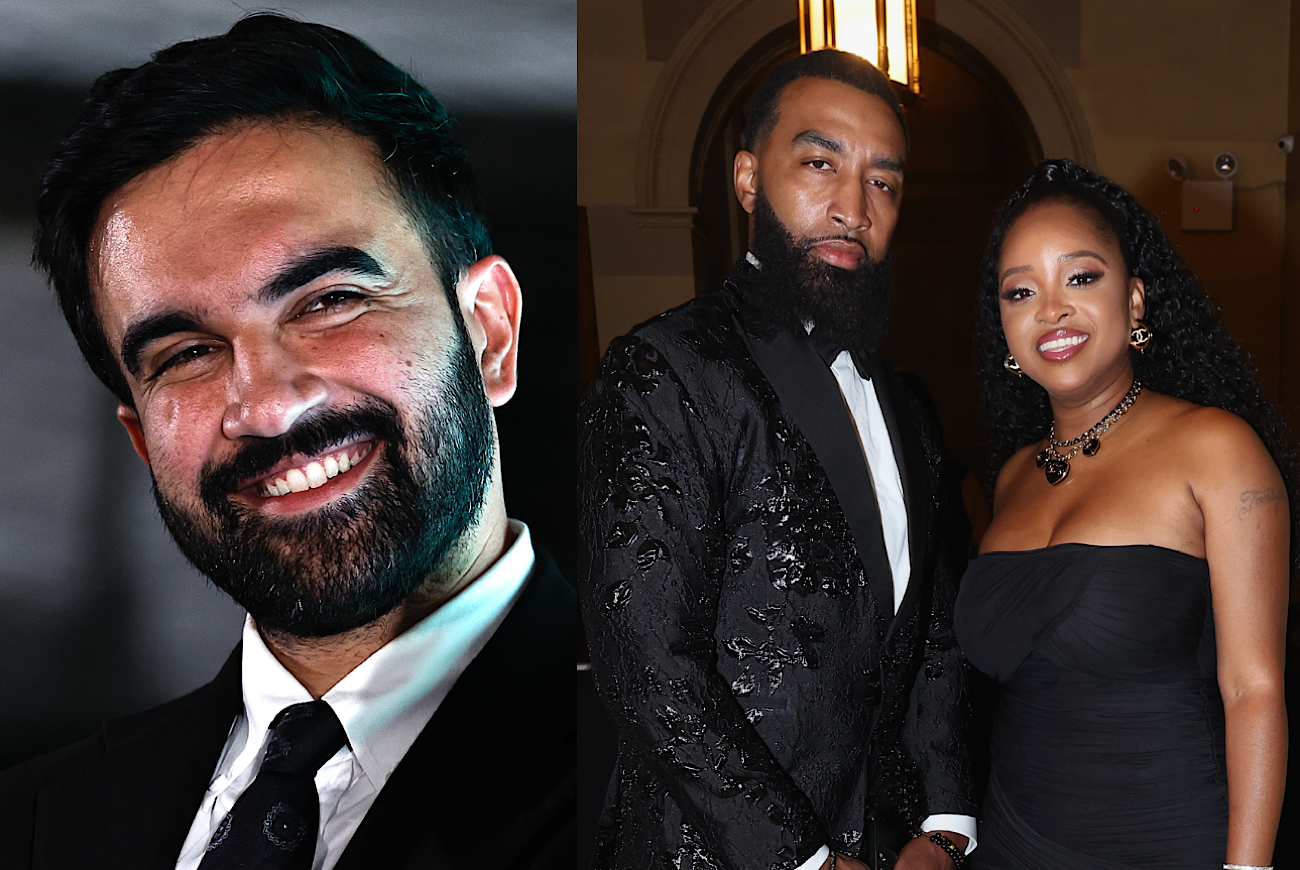
New York City’s next mayor is sending a loud message about criminal justice reform — and he’s doing it by putting a formerly incarcerated rapper and longtime activist at the policy table.
Rapper-turned-activist Mysonne Linen, a Bronx native who spent seven years in prison for armed robbery before becoming a prominent voice in social justice movements, has been appointed to Mayor-elect Zohran Mamdani’s transition team, serving on a committee focused on the criminal legal system and public safety.
A Mayor-Elect Betting Big on Reform Voices
According to reporting from
AllHipHop and other outlets, Mamdani’s transition team includes a
Committee on the Criminal Legal System, one of 17 advisory groups formed to shape policy and personnel decisions before he takes office.
Linen is joining that committee alongside fellow
Until Freedom co-founder
Tamika D. Mallory, a nationally known civil rights activist. The social-justice organization confirmed the appointments in a celebratory Instagram announcement, calling the move a recognition of their “decades of work advocating on behalf of Black and Brown communities” and their expertise in
gun violence prevention,
legislative advocacy, and
criminal justice reform.
Mamdani, who won the mayoral race on a platform promising an overhaul of how the city approaches public safety, is leaning on activists with deep grassroots credibility to help deliver on that agenda.
Inside the New Public Safety Vision
Mamdani has already outlined an ambitious and controversial shift in how New York City will handle emergencies and crime:
-
$1.1 billion Department of Community Safety: The proposal would reroute non-violent and mental health–related 911 calls away from the NYPD and toward
trained civilian response teams, while maintaining overall NYPD staffing levels.
-
Halting NYPD-led homeless encampment sweeps: Mamdani has criticized the sweeps as performative and harmful, arguing they “push New Yorkers who are living in the cold to another place where they will live in the cold,” without providing real shelter or stability.
-
Commitment to closing Rikers Island: He has said shutting down the notorious jail complex remains “essential,” even as he acknowledges that the current administration has made the original 2027 closure target “functionally impossible.”
Linen and Mallory’s presence on the transition team signals that
community-centered alternatives to policing and incarceration will be a core part of how this agenda is fleshed out.
Mysonne Linen: From Def Jam to Prison to Policy Table
For many New Yorkers, Linen’s name first rang out in the late 1990s hip-hop scene.
He was once
signed to Def Jam Recordings and wrote for major artists including
Lil’ Kim and
Mase, with his lyrics appearing on projects featuring
Q-Tip,
Busta Rhymes, and
LL Cool J. That trajectory was derailed when he was convicted in 1999 of two felony robberies of taxi drivers in the Bronx, including an incident where prosecutors said a cabbie was struck with a beer bottle and another was robbed at gunpoint.
Linen has long maintained his innocence, saying he was
falsely accused, and his defense at the time argued he had no financial motive given his rising music career. He faced up to 25 years but ultimately served
seven years in prison before being released.
In the years since, he has rebuilt his public identity as a
grassroots activist, frequently posting about anti-violence work, voter engagement, and organizing through
Until Freedom, which has been involved in high-profile protests around police violence and racial justice.
Now, that arc — from defendant to activist to adviser — is central to why his appointment is drawing both praise and pushback.
Supporters See “Lived Experience” as a Feature, Not a Bug
Supporters argue that Linen’s past is precisely what qualifies him to weigh in on criminal justice.
Until Freedom called the appointments to Mamdani’s team both
symbolic and earned, framing them as recognition of years spent organizing in communities most affected by over-policing, gun violence, and incarceration.
From that perspective, bringing formerly incarcerated people into decision-making roles is not radical — it’s overdue. They bring:
-
Firsthand knowledge of how the criminal legal system operates on the ground
-
Credibility with communities wary of traditional political figures
-
Insight into what actually works when it comes to prevention, reentry, and accountability
The move also fits a broader trend in progressive cities of elevating
“credible messengers” — people with lived experience in the system — into policy and program roles around violence interruption and community safety.
Critics Call the Appointment a “Risky Signal”
Not everyone is on board.
Coverage amplifying concerns, including a piece relaying the framing from the
New York Post, has highlighted Linen as an “ex-convict rapper” now advising on crime policy, pointing directly to his armed robbery conviction as a reason to question the appointment. Critics argue:
- It sends the
wrong message to crime-weary New Yorkers worried about public safety
- It reflects an administration too cozy with activists and too skeptical of traditional law enforcement
- It risks politicizing criminal justice policy by tying it to polarizing figures
That tension — between rehabilitative, community-informed policy and more punitive, tough-on-crime instincts — is likely to define much of the early debate around Mamdani’s public safety agenda.
What This Could Mean for NYC’s Crime and Policing Policy
So what does Mysonne Linen’s new role actually mean in practice?
He is not running the NYPD or signing laws. Instead, he is:
- Sitting on a
transition advisory committee that will help recommend key hires and policy directions around the criminal legal system
- Bringing the
Until Freedom lens — focused on racial justice, gun violence prevention, and legislative reform — into the earliest stages of the new administration’s planning
Based on Mamdani’s stated priorities and the activist backgrounds of advisers like Linen and Mallory, New Yorkers should expect:
- More investment in
non-police responses to mental health and quality-of-life issues
- Continued pressure to
close Rikers and rethink pretrial detention
- Expanded
community-based anti-violence programs and reentry support
- Ongoing clashes with tough-on-crime critics, police unions, and some business and neighborhood groups who prefer a more enforcement-heavy approach
For supporters, Linen’s journey is a story of redemption being put to work in the public interest. For skeptics, it’s a test of how far New York is willing to go in reimagining who gets a voice in shaping safety.
Either way, having a once-incarcerated Bronx rapper helping design the city’s crime strategy marks a striking shift in who is allowed in the room — and whose experiences are treated as expertise.
Sources
1. Mysonne Joins Mamdani's Team In A Bold Criminal Justice Push
2. Tamika Mallory And Rapper-Turned-Activist Mysonne Linen Join ...
3. Mamdani Appoints Ex-Convict Rapper to Criminal Justice Panel.
4. Zohran Mamdani taps ex-con rapper who served 7 years for armed ...