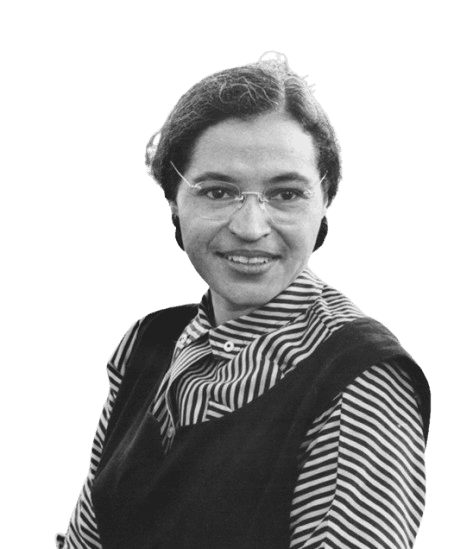
On December 1, 1955, Rosa Parks boarded a bus in Montgomery, Alabama, and made a choice that would ignite one of the most transformative social movements in American history. Seventy years later, her story is experiencing a powerful resurgence—but not without controversy. As the nation commemorates this milestone anniversary, historians, lawmakers, and civil rights advocates are fighting to preserve the full, unvarnished truth of Parks' life against efforts to sanitize or erase her legacy from textbooks and national discourse.
The Real Rosa Parks: Beyond the Iconic Moment
Most Americans know Rosa Parks as the woman who refused to give up her bus seat on that fateful December day. But that singular moment represents only a fraction of her extraordinary life as an activist. Parks was
42 years old when she made her stand—not a tired seamstress stumbling into history, as popular mythology suggests, but a
seasoned civil rights organizer with years of dangerous investigative work already behind her.
Before 1955, Parks had spent years investigating cases of
racist and sexual violence against African Americans, including the brutal 1944 kidnapping and rape of Recy Taylor. She understood the politics of Southern society intimately and strategically chose when to engage and disengage with systems of oppression. Her refusal to move was not an impulsive act but a calculated act of resistance rooted in decades of activism.
The Boycott and Its Aftermath: A Story of Sacrifice
Parks' arrest sparked the
Montgomery Bus Boycott, which lasted 381 days of strategic nonviolent direct action against Jim Crow segregation. The boycott ultimately led to a November 1956 Supreme Court decision declaring racial segregation on public buses unconstitutional—a monumental victory for the civil rights movement.
But the personal cost was devastating. Parks and her husband Raymond faced
extensive harassment that led to lifelong health issues. As a working-class family, they lost their jobs during the boycott year and plunged into poverty. Unable to find steady work in Montgomery, the Parks family eventually relocated to Detroit, where Rosa would spend the rest of her life continuing her activism for the next 40 years.
A Broader Vision for Justice
What many don't realize is that Parks' political vision extended far beyond bus segregation. According to Dr. Jeanne Theoharis, author of
"The Rebellious Life of Mrs. Rosa Parks," her activism encompassed
challenging school segregation, advocating for reparations, fighting injustices in the criminal legal system, and opposing U.S. foreign policy interventions from Vietnam to South Africa. She even spoke out about fears regarding war after 9/11.
Parks understood that her struggle was not just for her generation but for
future generations and a world she could not see or imagine. She consistently talked to children, hoping to plant seeds for a better society.
The Fight to Preserve Her Legacy
Today, Parks' story faces an unprecedented threat. Historians warn that her legacy is
in danger of being sanitized or even removed from textbooks and national sites. This erasure comes amid broader political efforts to reshape how American history is taught and remembered.
House Democratic Leader Hakeem Jeffries issued a stark warning on the 70th anniversary, stating that
Donald Trump and his allies want to erase stories like Rosa Parks' from history books and undo the nation's civil rights progress. In response, civil rights advocates and lawmakers are pushing to designate December 1 as a
federal holiday honoring Rosa Parks—which would mark the first federal holiday recognizing a woman.
A Lesson in Persistence
Dr. Noelle Trent, historian and president of the Museum of African American History in Boston, describes Parks using a powerful metaphor:
"It's almost like a brick in a velvet handbag. You look at the velvet, it looks nice, it looks soft, but when you encounter it, you know that it's much stronger than its appearance."One of the most important lessons from Parks' life is her
steadfastness, determination, and persistence. As Dr. Theoharis explains, Parks kept fighting not because she knew which action would succeed, but because of the importance of making her dissent known—even when victory seemed uncertain.
A Living Legacy
Remarkably, Parks' influence extends beyond the civil rights movement. Decades after the Montgomery Bus Boycott,
disability rights activists in Chicago turned to Parks' playbook to broaden accessibility on public transportation, demonstrating how her strategic approach to resistance continues inspiring new generations of social justice advocates.
As the nation reflects on this 70th anniversary, the battle over how America remembers Rosa Parks has become a battle over the nation's soul. Will her story be reduced to a single moment of defiance, or will Americans finally reckon with the full scope of her lifelong commitment to justice?
**
1.
Beyond the Bus: Uncovering the Real Story of Rosa Parks - WGBH
2.
Leader Jeffries Statement on 70th Anniversary of the Arrest of Rosa Parks - House Democratic Leader Hakeem Jeffries
3.
NOW Celebrates Rosa Parks Day - National Organization for Women
4.
How Rosa Parks' Legacy Inspired a New Fight Over Who Could Ride the Bus - 19th News
Sources
1. Beyond the bus: Uncovering the real story of Rosa Parks - WGBH
2. LEADER JEFFRIES STATEMENT ON 70TH ANNIVERSARY OF ...
3. NOW Celebrates Rosa Parks Day - National Organization for Women
4. How Rosa Parks' legacy inspired a new fight over who could ride the ...