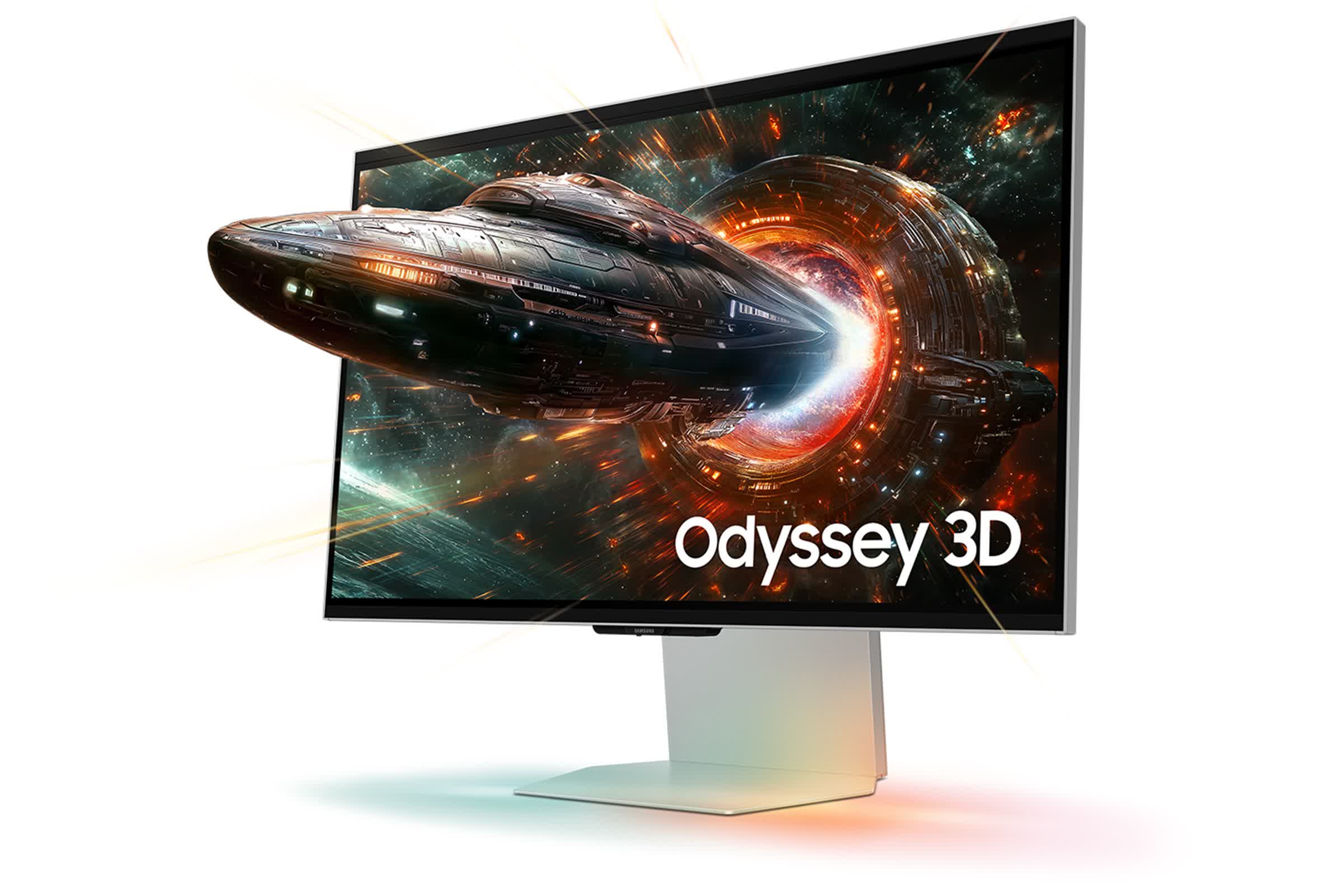
From glass-free 3D displays to AI-powered eye‑tracking, the humble monitor is suddenly one of the most interesting battlegrounds in tech. Over the past few weeks, several major launches and leaks have revealed where screen makers are betting big for 2025—and it’s not just about higher resolution anymore.
The New Arms Race: Bigger, Wider, Smarter
For years, monitor upgrades meant the same checklist: a bit more resolution, a bit more refresh rate, maybe slightly better colors. That era is over.
Display makers are now chasing three big trends at once:
-
Immersive ultra‑wide formats for gaming and productivity
-
Higher refresh rates pushing well beyond 240 Hz
-
“Smart” monitors with built‑in OS, apps, and even AI‑style features
And if that’s not enough,
glasses‑free 3D and
near‑eye micro‑OLED displays are moving from sci‑fi to store shelves.
Let’s break down the most important recent moves.
Samsung’s 2025 Lineup: OLED Everywhere, TV‑Brains in Monitors
Samsung continues to blur the line between TV and monitor with its
Smart Monitor and
Odyssey gaming families.
Odyssey gaming: curved, hyper‑fast, and HDR‑heavy
Samsung has been expanding its Odyssey lineup with large, curved gaming displays that double as productivity powerhouses. Recent models like the
Odyssey OLED G8 and G9 pack:
-
OLED panels with deep blacks and near‑instant response times
-
High refresh rates (typically 240 Hz class or higher)
-
Ultra‑wide formats (including 32:9 “super ultrawide”) ideal for racing, flight sims, and multi‑window work
These OLED gaming monitors are part of a broader industry shift: mini‑LED and standard IPS are still around, but
premium gaming is rapidly moving to OLED because of its contrast and motion clarity.
Smart Monitor line: your “TV that’s a monitor”
Samsung’s
Smart Monitor series has steadily evolved into what is essentially a living‑room TV compressed into a desk‑friendly size. Recent generations include:
-
Built‑in Tizen OS with streaming apps (Netflix, YouTube, etc.)
-
Wireless casting from phones and laptops
-
Remote control and speakers, so you don’t need a PC to use it
The key play here: Samsung wants your “monitor” to be a
standalone entertainment device as much as a PC accessory.
LG: UltraFine and UltraGear Push Resolution and Speed
LG is doubling down on two fronts:
color‑accurate productivity and
high‑refresh gaming.
UltraFine and productivity monitors
LG’s
UltraFine and similar lines target creators and professionals with:
-
4K and higher resolutions at 27–32 inches
-
Factory‑calibrated color for photo/video work
- USB‑C/Thunderbolt for
single‑cable laptop dockingThese are the kinds of displays that quietly change day‑to‑day work: one cable for power, data, and display, and enough resolution to run multiple windows without everything feeling cramped.
UltraGear: LG’s weapon in gaming
On the gaming side, LG’s
UltraGear monitors continue to ride the esports wave with models featuring:
-
240 Hz, 360 Hz, and higher refresh rates
-
OLED or fast IPS panels with low response times
- Support for
G‑SYNC / FreeSync for smoother gameplay
The broader story:
“more Hz” has become as important as “more pixels” for competitive players, and manufacturers are responding.
Lenovo’s “AI Eyes”: Eye‑Tracking Meets Eye Comfort
One of the more intriguing recent developments comes from Lenovo, which has been building
AI‑driven eye‑tracking and wellness features into some of its latest displays.
These monitors can:
- Track
where you’re looking on screen
- Adjust
brightness or dim elements to reduce eye strain
- Potentially
remind you to take breaks or correct posture over time
For now, these are early‑stage features rather than must‑haves. But they point to an emerging category:
monitors that actively adapt to you, rather than just passively display your content.
Glass‑Free 3D and 8K: The Experimental Frontier
While most people are still getting used to 4K, monitor makers are already showcasing
8K and
glasses‑free 3D panels—mostly aimed at niche professional or demo‑stage markets.
Glass‑free 3D displays
Some recent prototypes and specialist monitors have shown:
-
Autostereoscopic 3D (3D without glasses) suitable for
- Medical imaging
- Industrial design
- 3D content creation and visualization
They use multi‑view or lenticular lens technology to create depth. The big obstacle remains cost and content, but the tech is real—and improving.
8K and beyond
8K monitors are still rare and very expensive, mostly targeting:
-
High‑end video production-
Scientific visualization- Situations where you need to see tiny detail at “retina” quality on very large panels
For everyday users, 8K is still more of a
statement of what’s possible than a practical choice.
Micro‑OLED and Near‑Eye Displays: Monitors Shrinking to Headsets
While “monitor” usually means something on a stand, a lot of the display innovation is happening inches from your eyes.
Micro‑OLED and similar tiny, high‑density panels are driving:
-
VR and AR headsets-
Wearable displays- Future
“virtual monitor” setups, where you put on glasses and see multiple giant virtual screens instead of a physical one
Several manufacturers are investing here because a truly comfortable, high‑res headset could
replace multiple physical monitors for some workflows in a few years.
What This Means If You’re Shopping for a Monitor in 2025
If you’re in the market for a new screen, these trends translate into a few clear choices and trade‑offs:
-
Gamers- Prioritize
high refresh rate (240 Hz+) and
low response times- OLED is fantastic for contrast and motion clarity but can be pricier and needs some care with static HUDs
- Ultra‑wide and curved models can massively boost immersion
-
Creators and professionals- Look for
4K or higher, strong
color accuracy, and
USB‑C/Thunderbolt- Calibration and color gamut (sRGB, DCI‑P3) matter more than raw Hz
-
Hybrid work + entertainment- “Smart” monitors with built‑in apps can double as living‑room TVs
- Decent speakers and a remote turn your desk into a mini media center
-
Early adopters / experimenters- Glass‑free 3D, 8K, and eye‑tracking are exciting but still
niche and often expensive- Great if you have specific use cases—or just love being on the cutting edge
The Bigger Picture: Monitors Are Becoming “Devices,” Not Just Screens
The most important shift isn’t any single spec—it’s the
role monitors now play.
We’re moving from:
- Dumb displays that just show whatever the PC sends
to
-
Smart, connected, and sometimes AI‑assisted devices that run apps, manage your visual comfort, and anchor your entire workspace or gaming setup
In other words, your next monitor is less like an accessory and more like a
co‑star in your daily digital life.
If you’re planning an upgrade, it’s worth thinking beyond size and resolution and asking:
- Do I want this to double as a TV?
- Do I need the smoothness of 240 Hz+?
- Will USB‑C and a single‑cable setup change how I work?
- Am I curious enough to bet on an emerging tech like OLED, eye‑tracking, or 3D?
Because for the first time in a long time,
what you choose in a monitor can radically change how you use your computer—and even where you put it.
Sources
1. Tracking Universal Health Coverage: 2025 Global Monitoring Report
2. The Monitor Archives | MyRGV.com - Brownsville Herald
3. Home | Monitor
4. Monitor on Psychology
5. Daily Monitor | Rifaly
6. The US threatens to leave the OSCE unless the organization reforms