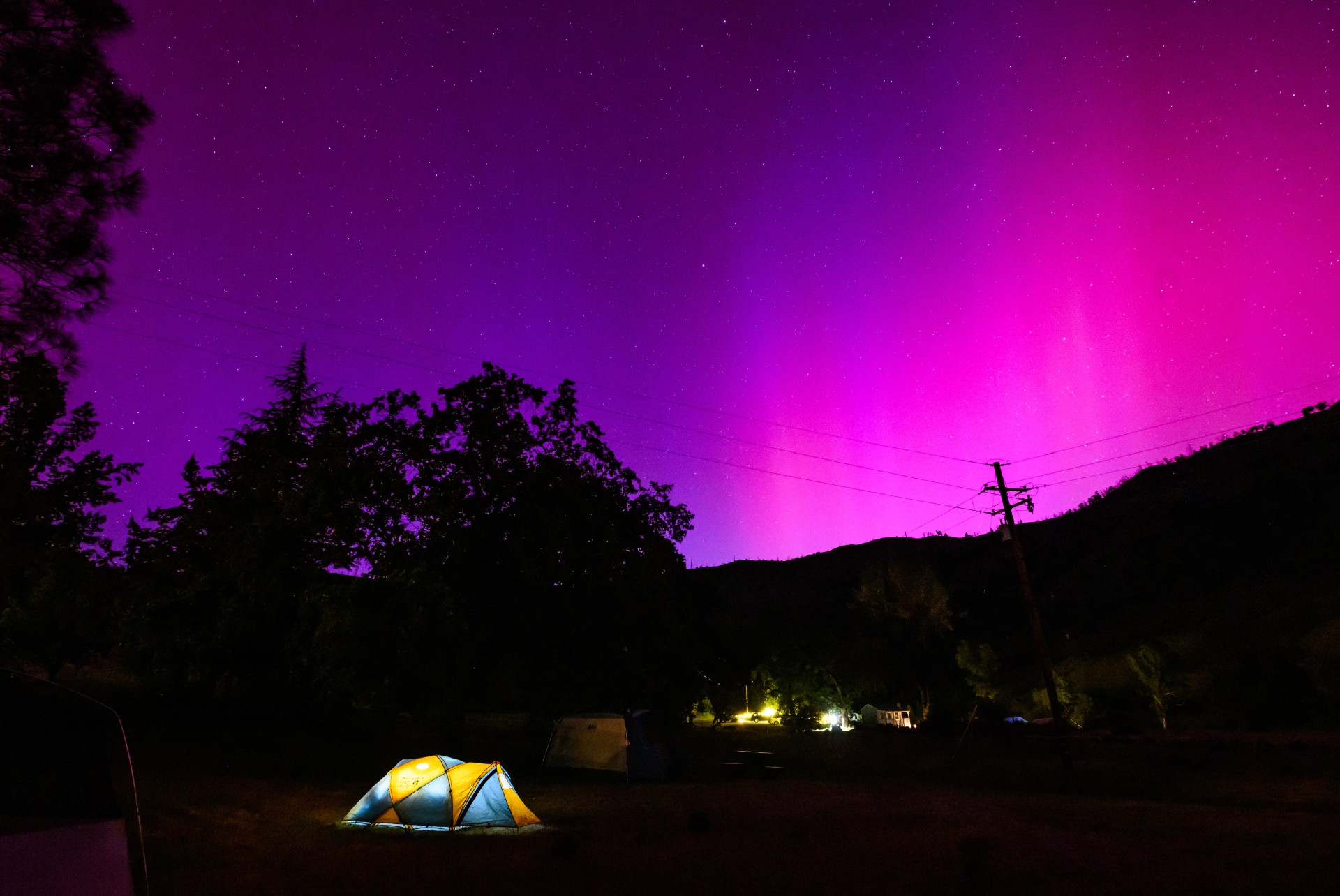
The northern lights forecast is heating up as the Sun barrels toward its peak activity, and space-weather agencies are signaling elevated aurora chances for the coming days — with some potential for sightings well beyond the Arctic Circle.
Why the Aurora Forecast Is So Active Right Now
The big backdrop here is the
approaching solar maximum — the most active phase of the Sun’s roughly 11-year cycle.
- Scientists expect
solar maximum around 2025, bringing more sunspots, flares, and eruptions.
- These events blast charged particles toward Earth, fueling
geomagnetic storms that power brighter, more widespread auroras.
Travel and science organizations are already framing
2025 as a peak year for northern lights tourism, with operators highlighting Greenland, Iceland, Svalbard, and northern Norway as “prime time” aurora destinations thanks to this surge in solar activity.
Short-Term Aurora Forecast: What Agencies Are Saying
For near-term conditions, space-weather centers are flagging
active geomagnetic conditions, but not a major storm.
- NOAA’s Space Weather Prediction Center (SWPC) lists the
greatest expected 3‑hour Kp index at about 5 (G1 geomagnetic storm level) over Dec 5–7, 2025.
- A
Kp of 5 means:
-
High-latitude regions (Alaska, northern Canada, Iceland, northern Scandinavia) can expect
active to strong auroras, often overhead if skies are clear.
-
Mid-latitudes (northern U.S., central Europe) might get
faint aurora on the horizon during peaks, but not the dramatic, all-sky displays seen during extreme events.
Soft Serve News, which aggregates real-time data for aurora chasers, shows the
short-term forecast as “Quiet” for Sunday, December 7, 2025, indicating only modest activity at that exact time window. That aligns with a Kp around 4–5 —
good for the north, marginal further south.
NOAA’s
27‑day outlook also shows multiple days ahead with
elevated geomagnetic indices, suggesting
recurring periods of enhanced aurora potential as active solar regions rotate back into view.
Where You’re Most Likely to See the Northern Lights
The
sweet spot for aurora viewing remains
high northern latitudes, especially under this elevated solar cycle.
According to the Geophysical Institute at the University of Alaska Fairbanks and other experts, the best regions include:
-
Alaska: Fairbanks and northward
-
Northern Canada: Yukon, Northwest Territories (e.g., Yellowknife), Churchill in Manitoba
-
Greenland: Particularly
Ilulissat and
Kangerlussuaq in the Arctic Circle
-
Iceland: Around Reykjavík and darker countryside locations
-
Northern Norway: Tromsø, Lofoten, Alta, North Cape, and further north
-
Svalbard: One of the most northerly inhabited places on Earth, with excellent aurora potential in the long polar night
Under
average activity, auroras mostly hug the so‑called
auroral oval around these regions. But during stronger storms (higher Kp), that oval
expands southward, bringing occasional shows to mid‑latitudes.
How Far South Can It Go?
We got a dramatic preview in
May 2024, when an extreme storm pushed auroras
unusually far from the poles:
- The Geophysical Institute notes that during this event, the
aurora borealis was seen as far south as India, Morocco, and Mexico, while the southern lights reached up toward
Perth, Argentina, and Namibia.
That kind of
global aurora event is rare, but with solar maximum approaching,
smaller versions of that expansion become more likely, meaning:
- Northern U.S., central Europe, and similar latitudes could see
occasional aurora on strong Kp nights.
- Truly spectacular, all‑sky aurora at low latitudes will still require
major, well‑timed geomagnetic storms.
Timing: When to Look Up
Experts emphasize that aurora chasing is a
night-sky plus clear-sky game.
The Geophysical Institute and aurora forecasters generally recommend:
-
Best time of night: Roughly
9 p.m. to 3 a.m. local time, with a
3–4 hour window around midnight often most active.
-
Best season: Local
winter months, when nights are long and dark.
-
Best conditions:
- Mostly
clear skies-
Minimal light pollution — get well away from city lights
- Avoid
bright full moons if possible, which raise background light.
Soft Serve News highlights that the
widest, brightest parts of the aurora happen when the Sun is on the opposite side of Earth, which is why the deepest nighttime hours are often so productive.
What the Solar Maximum Means for 2025 Aurora Chasers
Travel operators and scientists are unusually aligned on one point:
2025 is a very promising year to see the northern lights.
Key takeaways from current forecasts and long‑range outlooks:
-
More frequent storms: The rise in sunspots and solar eruptions around solar maximum
boosts the number of nights with active aurora.
-
Brighter displays in the north: Places already within or near the auroral oval should see
more intense, more frequent shows.
-
Occasional lower‑latitude opportunities: While not nightly, there is
heightened potential for “southward” auroras during stronger geomagnetic events.
-
Still unpredictable in detail: Experts stress that, even in a great year,
exact timing and intensity of specific aurora displays remain hard to pin down.
In other words:
the odds are stacked in favor of aurora hunters over the next year, but you still need patience and flexibility.
Practical Tips If You Want to Catch the Next Show
Based on current forecasts and expert advice, here’s how to make the most of this active cycle:
-
Watch real-time Kp and aurora dashboards- Use sites and dashboards inspired by
NOAA SWPC’s aurora products and
university forecasts to track Kp and predicted auroral ovals.
-
Plan trips around peak regions- If you’re serious about it, aim for
Alaska, northern Canada, Iceland, northern Norway, Svalbard, or Greenland during their dark months.
-
Stay multiple nights- Researchers note that if you spend
3–7 nights in a high‑latitude auroral zone with dark, clear skies, your chances of seeing aurora are very good.
-
Be ready for short-notice alerts- Strong geomagnetic storms often follow
solar flares or coronal mass ejections (CMEs) with only
1–3 days’ warning, so spur‑of‑the‑moment drives to dark skies can pay off when Kp spikes.
As solar activity ramps up, the sky show above the poles — and sometimes far beyond — is only getting more dramatic. If the aurora has been on your bucket list,
current forecasts suggest the coming months may be the best window in more than a decade.
Sources
1. Witnessing the Northern Lights in 2025 – Our Predictions
2. Aurora Forecast | Geophysical Institute
3. Aurora Borealis Forecast. Everything You Need to know.
4. Aurora Dashboard (Experimental) - Space Weather Prediction Center
5. 27-Day Outlook of 10.7 cm Radio Flux and Geomagnetic Indices